Cleaning vs. Sanitizing vs. Disinfecting: What’s the Difference?
Walk down any cleaning aisle, and you’ll see the words “cleans,” “sanitizes,” and “disinfects” used almost interchangeably. They aren’t the same thing, and knowing the difference can help you protect your family, clients, or members much more effectively.
Whether you’re keeping a busy Fayetteville household healthy, running a daycare or gym, or getting ready for a PCS move near Fort Bragg, here’s what each term means and when you need it.
Cleaning: Removing the Dirt
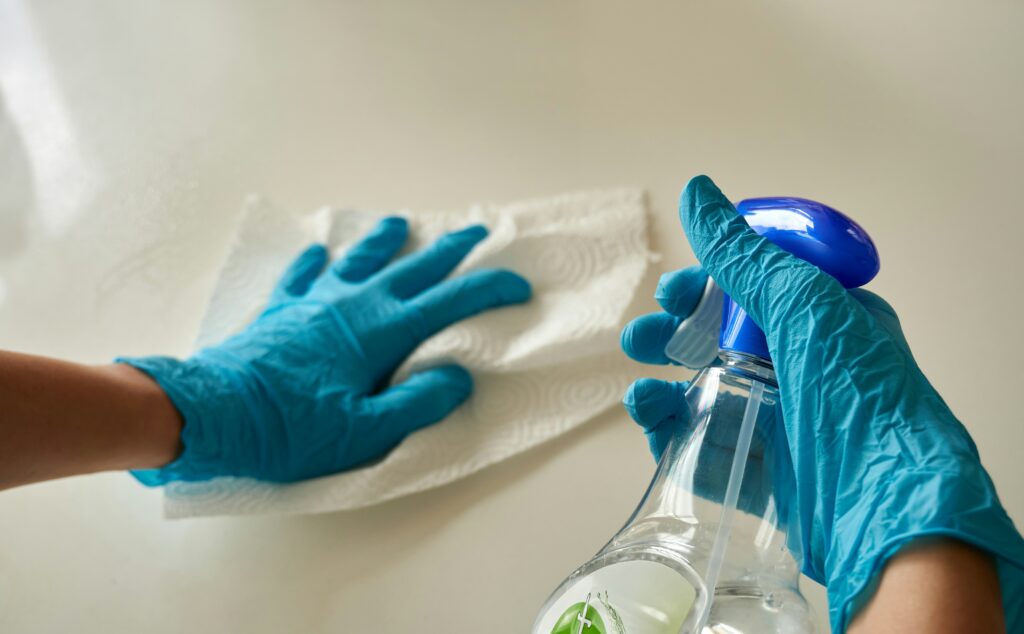
Cleaning is the first step. It physically removes dirt, dust, grease, crumbs, and some germs from surfaces using soap or detergent, water, and a little elbow grease.
Cleaning doesn’t necessarily kill germs. It lowers their numbers by lifting them away, and it removes the grime that can shield germs from other treatments.
Examples: wiping the counters, vacuuming the carpet, mopping the kitchen floor, scrubbing the bathtub.
Best for: everyday upkeep, visible messes, and prepping a surface for sanitizing or disinfecting.
Sanitizing: Lowering Germs to a Safer Level
Sanitizing goes a step beyond cleaning. A sanitizer reduces the number of bacteria on a surface to a level considered safe by public health standards. It doesn’t necessarily eliminate every germ.
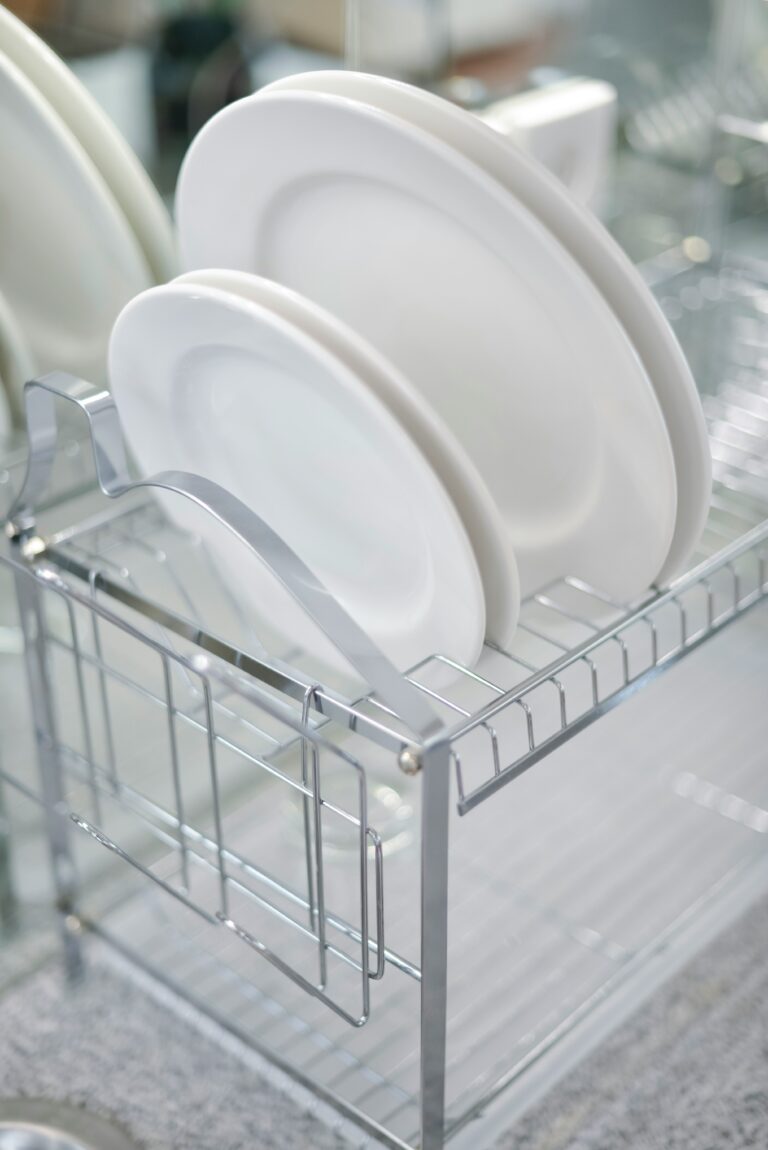
Examples: sanitizing highchairs, food prep surfaces, children’s toys, and dishes.
Best for: places where food is prepared or served and items that go in little mouths.
Disinfecting: Killing Germs on Surfaces
Disinfecting uses an EPA-registered product to kill germs, such as viruses, bacteria, and fungi, on hard surfaces. It is the highest level of surface germ control of the three.
Examples: treating doorknobs, light switches, bathroom surfaces, gym equipment, and shared surfaces after someone has been sick.
Best for: residential disinfecting flu season, households with newborns or immune-compromised family members, and commercial disinfecting is great for high-traffic shared spaces like gyms, daycares, and senior living facilities.
Quick Comparison
- Cleaning: removes dirt and some germs. Use it daily or weekly.
- Sanitizing: lowers germs to a safe level. Use it on food and mouth-contact surfaces.
- Disinfecting: kills germs on surfaces. Use it on high-touch areas, after illness, and in shared spaces.
Why the Order Matters
Disinfectants and sanitizers work best on surfaces that are already clean. Dirt and grease can block the product from reaching germs. That’s why the right order is clean first, then sanitize or disinfect.
It’s also why a professional cleaning visit and a disinfecting treatment work so well together.
Common Mistakes People Make
- Skipping the cleaning step. Spraying disinfectant over a dirty surface is far less effective.
- Wiping too soon. Most disinfectants need to stay wet on the surface for a set contact time. Wipe early and you cut the job short.
- Using the wrong product. Not every cleaner is a sanitizer, and not every sanitizer is a disinfectant. Check the label.
- Missing the high-touch spots. Remote controls, door handles, light switches, phones, faucets, and railings collect germs fast.
- Mixing chemicals. Never combine cleaning products, especially bleach with ammonia or acids.
A Touchless Way to Disinfect
Wiping every surface by hand takes time, and it’s easy to miss spots or cut the contact time short. That’s why we offer both commercial and residential touchless disinfecting fogger service.
Here’s how it works:
- Hydrogen peroxide-based solution. Our fogger uses an EPA-registered, hydrogen peroxide-based solution.
- Aerosolized mist. The solution is released as a fine mist that settles on surfaces throughout the room, including hard-to-reach spots.
- Touchless. There’s nothing to wipe away afterward.
- Kills 99.99% of viruses, bacteria, and other germs when used as directed.
- Fast. About 5 minutes per room.
- Quick re-entry. Each room is safe to walk back into after 20 minutes.
- Safe where you live and eat. It’s safe for people, pets, and food prep areas when used as directed.
Because it’s quick and doesn’t require wiping, fogging is a good fit for Fayetteville homes and for businesses that can’t afford long downtime.
Who Benefits Most from Touchless Disinfecting?
- Families with newborns, young kids, or seniors who want extra protection at home.
- Households recovering from illness such as the flu, stomach bugs, or colds.
- Gyms and fitness centers with shared equipment, mats, and locker rooms.
- Daycares and schools where little ones touch everything.
- Senior living facilities where protecting vulnerable residents is a top priority.
- Military families coming home from deployment or moving into a new place after a PCS who want a fresh start in a home that has been empty or had many occupants.
How Often Should You Disinfect?
There’s no single answer, but a good starting point:
- Homes: regular cleaning weekly or biweekly, with disinfecting after illness, before a new baby arrives, during flu season, or when moving in.
- Gyms: frequent daily wipe-downs, plus scheduled professional disinfecting weekly or on your own schedule.
- Daycares and senior living: a recurring professional schedule is often best, combined with daily cleaning routines.
Frequently Asked Questions
No. Cleaning removes dirt and some germs. Disinfecting kills germs on surfaces using an EPA-registered product.
Yes. Disinfectants work best on clean surfaces.
Our fogger solution is hydrogen peroxide-based and safe for people and pets when used as directed. Rooms are ready for re-entry after 20 minutes.
No. Fogging disinfects both surfaces and the air, but it doesn’t remove dirt, dust, or grime. It works best as a follow-up to a thorough cleaning.
About 5 minutes per room, plus a 20-minute wait before anyone walks back in.
The touchless fogger can be used to disinfect NEMT vehicles, emergency vehicles, patient rooms in doctor’s offices, nail salons, senior living facilities, daycares, schools, commercial office spaces, or any business after the outbreak of an illness as a terminal clean.
Yes. Our fogger releases an aerosolized mist that evaporates leaving behind fresher smelling air and a disinfected room without harming fabrics, electronics, or sensitive items. In the event there is an item that is fragile or extremely sensitive, we will ask that it be removed before the fogging.
Ready for a Cleaner, Healthier Space?
Fayetteville Home Cleaning offers professional house cleaning, our Mother’s Helper service, and touchless disinfecting for homes and businesses across Fayetteville, Hope Mills, Raeford, Spring Lake, and the Fort Bragg community. Want to know more about how effective our fogger is at reducing pathogens? Check out this article about how effective fogging is at disinfecting in a hospital setting. Call us at (910) 360-6802 or request a free quote online here.
Residential Disinfecting Fogger Service & Commercial Disinfecting Fogger Service
Fayetteville Home Cleaning is the top choice if you need gym disinfecting service, a recurring disinfecting contract for gyms, or fitness center sanitizing services in Fayetteville, NC, child-safe disinfecting service, daycare disinfecting service Fayetteville, NC, daycare cleaning and sanitizing North Carolina, senior living facility disinfecting service, nursing home sanitizing Fayetteville NC, assisted living cleaning service Fayetteville, flu season facility disinfection, infection control cleaning for senior care, a commercial disinfection company Cumberland County, or touchless disinfecting for businesses.
xx